Recovery.com combines independent research with expert guidance on addiction and mental health treatment. Our mission is to help everyone find the best path to recovery through the most comprehensive, helpful network of treatment providers worldwide. Unless your organization falls under one of these categories, you’ll need to follow the certification process before marketing your sober living home in Colorado. We offer customized and holistic services for each living house, so we set your success as our professional goal. Visit Strategique Partners to kickstart your journey of establishing your own residential business today. The Arizona Department of Health Services Sober Living Home Fact Sheet is perhaps the most useful and concise document we’ve ever seen produced by a state government agency for would-be sober living home owners.
Key details: Hanover House

Choosing the right property … Ideal sites balance acceptance, compliance, and access to services. In this guide, we walk you through what it really takes to open a sober living home in Massachusetts, with a focus on what real estate investors need to know to do it right the first time. Upon receipt of your completed application, CARR will issue you an invoice for the fees.
When to Move Into a Sober Living House in Massachusetts
- The residential setting offers sober living support during structured recovery.
- To do this, the owner must file for non-profit status from both the state and IRS.
- This means our helpline can provide completely independent and unbiased advice to help you find the rehab service most suitable for you or your loved one.
- A policy and practice that residents be informed of payments from 3rd party payers for any fees paid on their behalf.
Accreditation for sober living homes is somewhat of a new concept, but it is becoming more common. Currently, sober homes are not federally regulated and many states don’t have regulations or licensure requirements either. However, some state-level organizations offer accreditation through formal programs. These programs ensure sober homes are meeting codes of ethics, general standards, and health and safety guidelines.
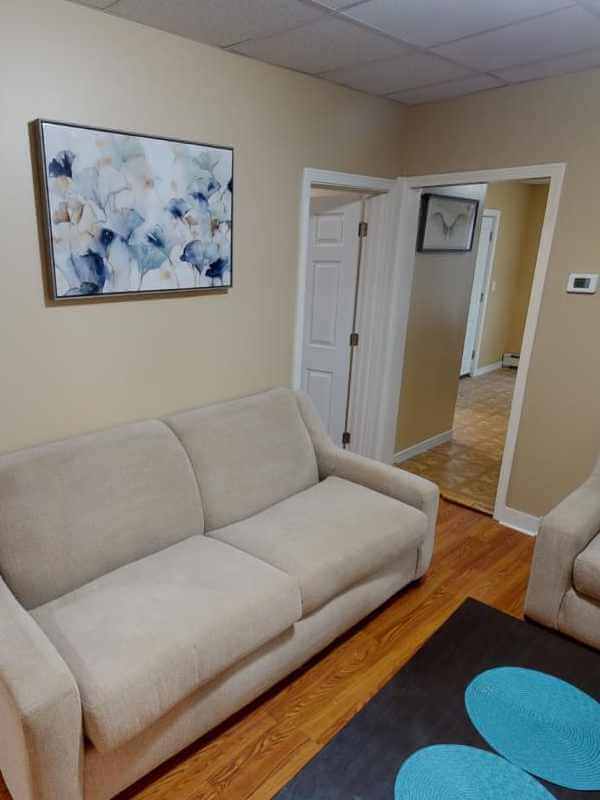
Colorado Recently Passed a Law That Requires All New Sober Living Homes to Get Certified
Courts have frequently sided with these protections when municipalities have used zoning laws to ban or restrict sober living homes. Because of these protections, cities and counties must provide “reasonable accommodations” to allow individuals with disabilities an equal opportunity to use and enjoy a dwelling. This legal requirement is a primary reason why sober living homes are often permitted to operate in single-family residential zones, where group living might otherwise be restricted. This guide clarifies the key difference between unlicensed housing and licensed treatment facilities. The National Alliance of Recovery Residences (NARR) has a certification system of nationwide standards for sober homes. However, only some states have recovery residence organizations that are affiliated with NARR and may Drug rehabilitation offer formal certifications based on NARR’s standards.

Consider creating a sober living home that caters to the LGBTQ+ community. This approach can provide a safe and supportive environment for residents who may face discrimination and stigma in other settings. Some sober living homes offer a highly structured environment that includes daily schedules, curfews, and mandatory meetings.
When you open your sober living home and begin housing people in recovery, it’s best to have each resident review and sign the policy handbook upon admission and give them a copy to keep. Some people relapse after treatment because they are unable to cope with life in an unsupportive environment. Sober living homes are alcohol and drug-free living environments that provide structured, transitional housing for men and women in recovery. Massachusetts General Laws empower state agencies to regulate health and safety standards in residential settings. Although sober houses are not subject to the same licensing requirements as healthcare facilities, they must comply with local health codes and zoning regulations, ensuring a baseline of safety and habitability.
- You’ll also need documents that demonstrate governance (e.g., job descriptions for house mentors), financial policies, and community engagement practices.
- We successfully own and operate several sober living homes in Texas and Colorado that are adequately serving the needs of men and women who are recovering from addiction.
What professional/medical staff work at East Boston Rehab?
Once that’s done, a third-party inspector (usually https://www.vicrays.com/does-alcohol-thin-your-blood-how-it-affects/ from Recovery Homes Collaborative) will visit your home. They’ll assess everything from room sizes to peer governance practices. Be prepared to walk them through your policies and show how your home operates day-to-day. Once you’ve completed the training and gathered your documentation, submit your MASH Certification Application.
Residents support themselves by using the skills and knowledge learned during inpatient rehab treatment, counseling, and therapy to direct, encourage, and help one another to prevent relapse. Recovery houses reinforce mash sober housing a substance-free lifestyle by providing mutual help through peers in recovery, support groups, and recovery support services, including medical treatment for substance abuse. In Massachusetts, sober homes and recovery residences are different models for substance abuse recovery.